

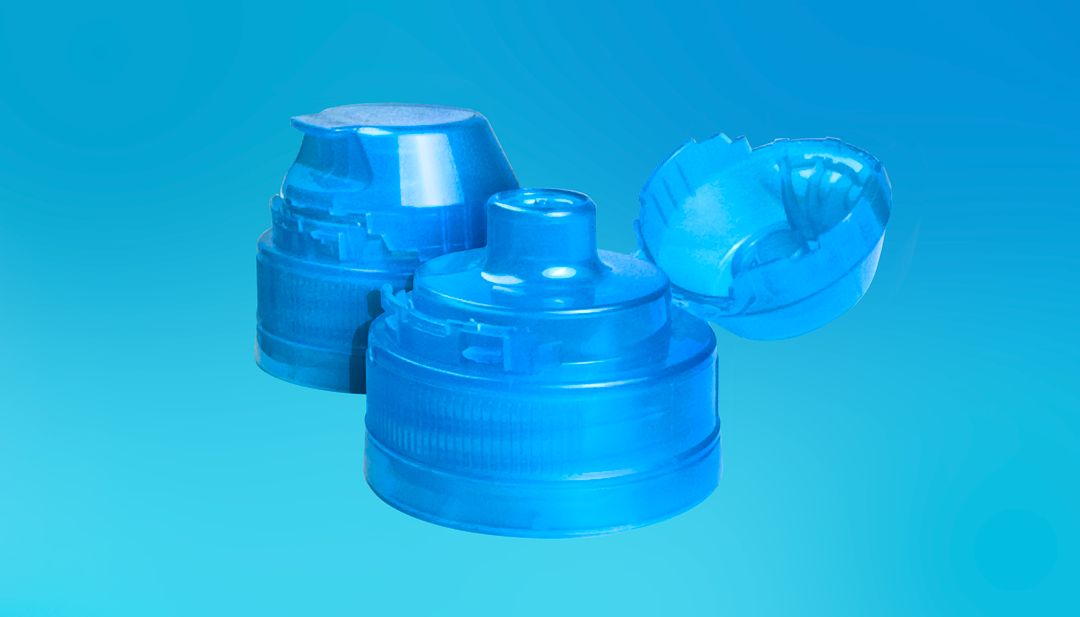
In 2026, caps and closures are no longer treated as “just a cap.” They are a critical part of beverage performance, brand identity, sustainability strategy—and one of the more visible proof points of packaging innovation.
The caps & closures market is being shaped by multiple forces at the same time: consumer trends like portable, resealable convenience, and the needs of bottlers and brand owners under increasing pressure to reduce material usage and improve circularity outcomes. Closure Systems International (CSI) has consistently leaned into this market reality, innovating closures for both consumer behavior and operational performance.
Below are the top trends driving closure innovation across North America and global beverage packaging in 2026.
1) Lightweighting Continues—But with Clear Performance Boundaries
Lightweighting remains one of the most common closure initiatives in 2026, but the focus has shifted from simple gram reduction to system-level optimization. Manufacturers want to reduce resin and carbon footprint while keeping performance intact in application, transport, and real consumer usage.
This includes engineering for:
- consistent removal and application torque
- reliable sealing across temperature swings
- stable performance in high-speed production environments
- consumer-friendly open/close feel
Lightweighting still delivers value, but it must stay within functional limits.
2) Sustainable Materials Move from “Initiatives” to Requirements
Sustainability is now one of the primary decision drivers in the closures category. In 2026, sustainable material adoption is being accelerated by a mix of brand commitments, retailer pressure, and increased regulatory attention focused on circularity, extended producer responsibility (EPR), and recycled content.
CSI directly connects material innovation to circularity outcomes:
“CSI is constantly evaluating the sustainability of our closure portfolio and identifying new innovations that can contribute to the development of a circular plastics economy,” states Clint S. Rush, Director of Marketing.
For most beverage manufacturers, the sustainable materials conversation includes:
- using post-consumer recycled (PCR) content where feasible
- maintaining food-contact performance expectations
- ensuring the package remains recyclable
- documenting claims and compliance requirements more carefully
3) PCR Content and Circular Plastics Strategies Become Core Closure Platforms
One of the clearest trends in 2026 is the push to move beyond design intent and toward commercial, scalable PCR integration. Brands increasingly want closure solutions that contribute to circularity without introducing unacceptable manufacturing risk.
Two critical components for making that a reality include incorporating PCR content into food grade applications and ensuring recyclability.
This is where resin performance and process control matter. CSI’s PolyCycle resin is positioned as an FDA-compliant PCR solution for food and beverage with an emphasis on organoleptic performance, enabling PCR adoption while protecting the consumer experience.
The broader 2026 takeaway: brands want circular materials, but they also want predictable cap performance, stable application windows, and confidence that closure design supports recyclability outcomes.
4) Convenience and Portability Keep Driving Closure Selection
Consumers continue to drink on-the-go, and closure formats are evolving to match. This is especially true in water, sports drinks, functional beverages, dairy, and other categories where reseal and single-hand convenience impact repeat purchase behavior.
Beverage Industry notes that closures are being designed to support portable beverage needs, and CSI has framed it as a full usage experience—not simply opening and closing.
In 2026, convenience increasingly means:
- quick open/close function
- secure reseal to reduce leaks in bags and vehicles
- comfortable drinkability
- intuitive use across age groups
5) Ergonomics and Accessibility Become More Important Design Features
Consumer demographics continue to influence closure choices. Global populations are aging while younger generations are shaping expectations around usability, convenience, and sustainability.
As a result, closure innovation in 2026 increasingly includes:
- improved grip features and knurling
- more ergonomic geometries
- intuitive dispensing controls
- reduced hand strain for repeated daily usage
This is a trend that quietly improves brand loyalty: when the closure works smoothly, consumers notice—even if they don’t comment on it.
6) Brand Differentiation and Decoration Expand Beyond the Label
Packaging differentiation is becoming harder as more beverage brands crowd shelves. Closures are increasingly used to help communicate brand identity through shape, color, texture, and functional design.
For 2026, closure design is not only about performance—it’s also about delivering a recognizable and repeatable brand experience.
7) Product Integrity and Preservation Remain the Non-Negotiables
Sustainability and convenience can’t come at the expense of taste and product quality. Closures must continue to protect against leakage, oxygen ingress, carbonation loss (when applicable), and other factors that impact product integrity.
In a market where consumers have abundant beverage options, closure failure is a fast way to lose customer trust and increase returns, waste, and complaint rates.
8) Tethered Closures: Regulatory-Driven, but Not the Main Market Story
Tethered closures remain relevant due to EU requirements and possible future legislation considerations. However, for many beverage companies, the more practical 2026 focus is improving consumer experience and circularity outcomes without creating friction.
In other words, tethering may be a compliance requirement in some regions, but it is not the defining innovation story for most manufacturers.
The 2026 Bottom Line for Manufacturers
The most important closure trends in 2026 are converging into one reality: closures must deliver sustainability progress with real-world performance.
Brands and bottlers are prioritizing closure platforms that:
- reduce material responsibly
- enable circularity with PCR and recyclable designs
- improve the drinking and reseal experience
- protect product integrity at scale
For manufacturers and brands looking ahead in 2026, the strongest closure strategies will be the ones that balance lightweighting, line performance, and consumer convenience with measurable sustainability progress.
To learn more about CSI’s closure innovations and equipment integration capabilities, contact Closure Systems International or explore CSI’s latest bottle cap and closure solutions.
To accelerate circularity goals with food-grade PCR, explore PolyCycle—CSI’s PCR resin solution designed to support recyclability and sustainability targets while maintaining performance expectations.




Recent Comments