

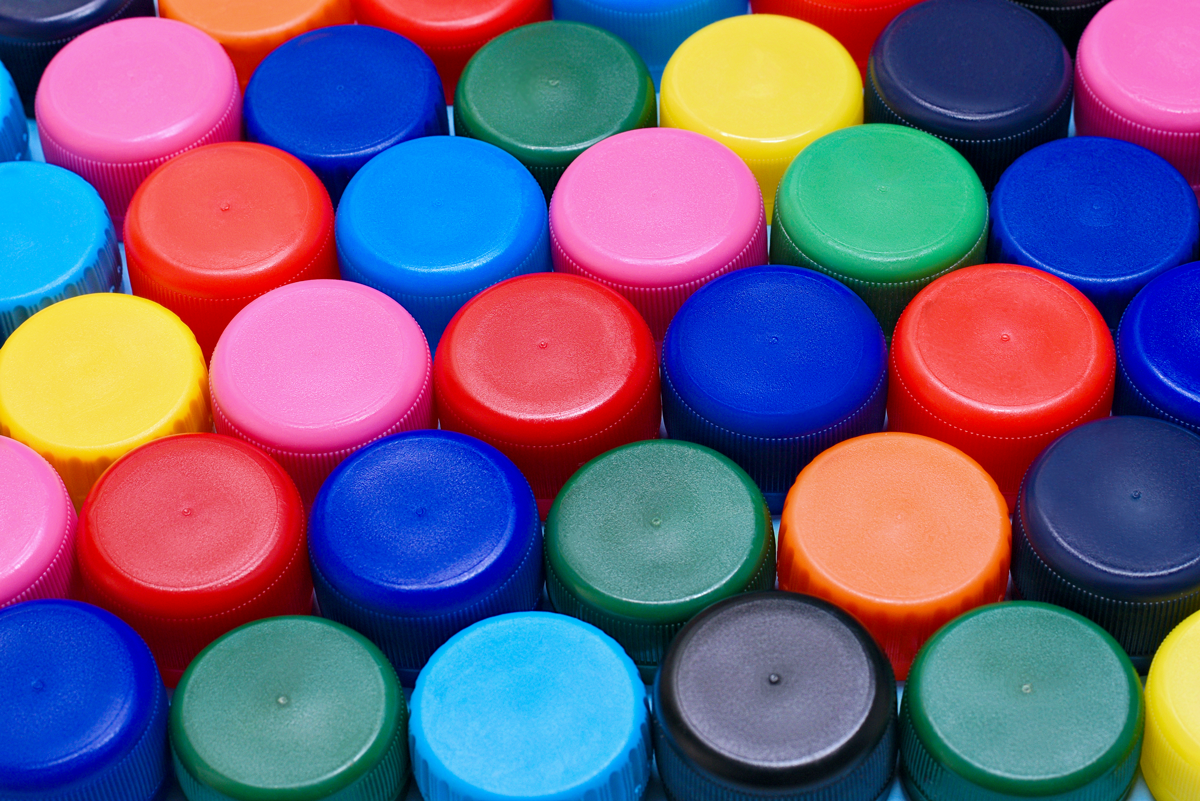
When it comes to caps and closures, no question is too basic — and no detail is too small. Whether you’re a brand manager or procurement specialist sourcing closures, or a seasoned bottler optimizing your line, zeroing in on the right specifications makes a real-world difference in product performance, operational efficiency, and consumer satisfaction.
Here are the 10 most common inquiries we get at Closure Systems International (CSI), along with your go-to guide to the fundamentals of caps and closures.
1. What industries use caps and closures?
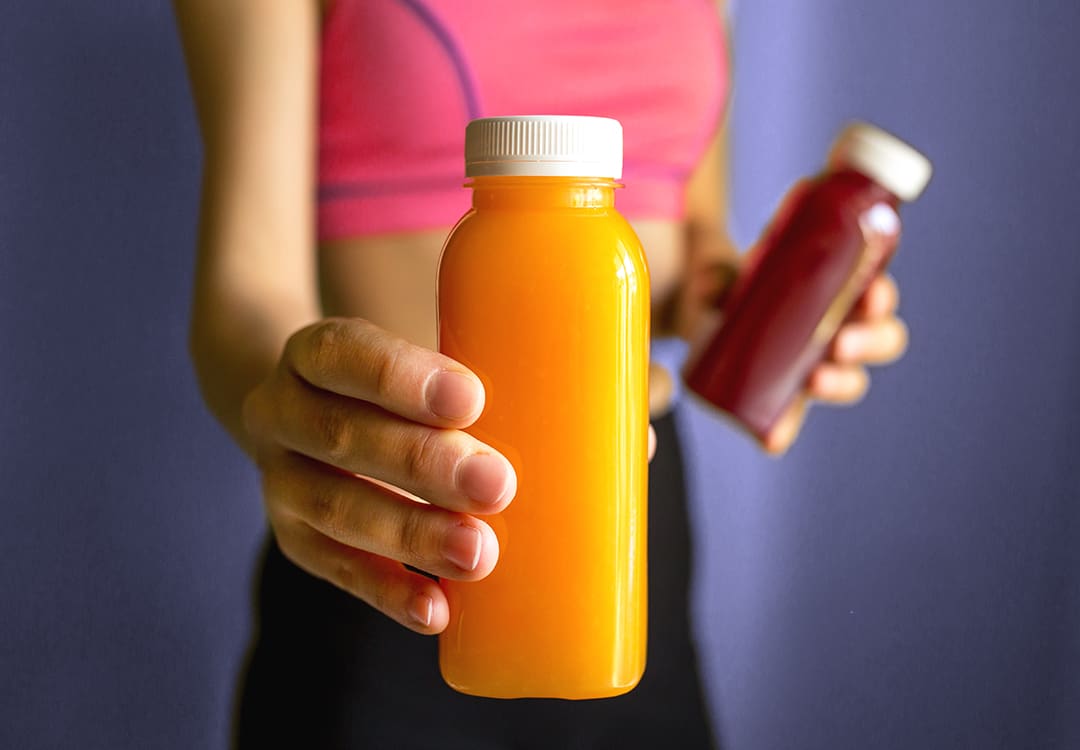
Beverage closures are what most people picture first — water bottles, soda caps, juice lids — but caps and closures serve a broader range of markets than that.
Common market segments include:
- Beverages — bottled water, carbonated soft drinks, non-carbonated beverages, beer, malt beverages, wine, and distilled spirits
- Food — sauces, condiments, cooking oils, and wide-mouth jars
- Liquid Dairy — milk, cream, and dairy-based beverages
- OTC Pharmaceuticals & Nutraceuticals — supplements, vitamins, over-the-counter medications
- Automotive — motor oil, coolant, transmission fluid, and related products
Each segment carries its own distinct closure safety, material, and performance requirements.
2. What is the process for choosing the right closure material?
Material selection is one of the most foundational decisions in closure sourcing — and it affects everything from sealing performance to sustainability outcomes.
Multiple factors influence your choice of closure material: filling process, container finish, capping equipment, line speed, volume, cost, sustainability goals, and more. Focusing on the basics, a hot-fill process requires a material with greater temperature resistance. Any closure application requiring pliability points toward a more flexible resin.
The two primary materials used in plastic closure manufacturing are:
- Polypropylene (PP): a more rigid material, typically used with liners when holding pressure is product requirement.
- Polyethylene (PE): a more flexible material, closures made of this material typically do not need additional liners for sealing purposes.
CSI manufactures stock closures in both materials. For brand owners with sustainability targets, nearly all of CSI’s stock plastic closures can be produced using PolyCycle PCR resin — so performance and circularity goals don’t have to compete.
3. What is a “bottle finish,” and why does it matter?
The bottle finish is the entire area above the container’s neck — including the lip, collar, and thread profile. The term dates back to the days of glassblowing, when the “finish” was literally the final step in hand-crafting a bottle.
Today, the bottle finish defines how a closure threads onto, snaps over, or crimps to a container. A proper match between finish and closure is essential to achieving a reliable seal and consistent application performance at line speed.
When evaluating closures, your bottle’s finish specification — including thread type, diameter, and finish height — is defined in industry-standard finish codes (such as those governed by the Glass Packaging Institute or ISBT for plastic). The coding gives closure manufacturers and bottlers a shared reference for compatibility.
4. How do I choose the right closure size for my bottle?
Closure size is typically expressed as the outer diameter in millimeters, and the bottle finish diameter must precisely match the closure specification. Misalignment leads to application failures or compromised seal integrity.
Stock closure diameters span a wide range — from 18mm, commonly used for single-serve spirits, to 133mm for wide-mouth food jars. Knowing your bottle finish specification is the starting point. From there, you can filter compatible closure options by diameter, thread profile, and fill process requirements.
CSI’s CAPFINDER tool at csiclosures.com lets you search across nearly 70 standard bottle finishes and 17 different closure diameters to quickly identify compatible stock closures.
5. What fill processes are closures compatible with?
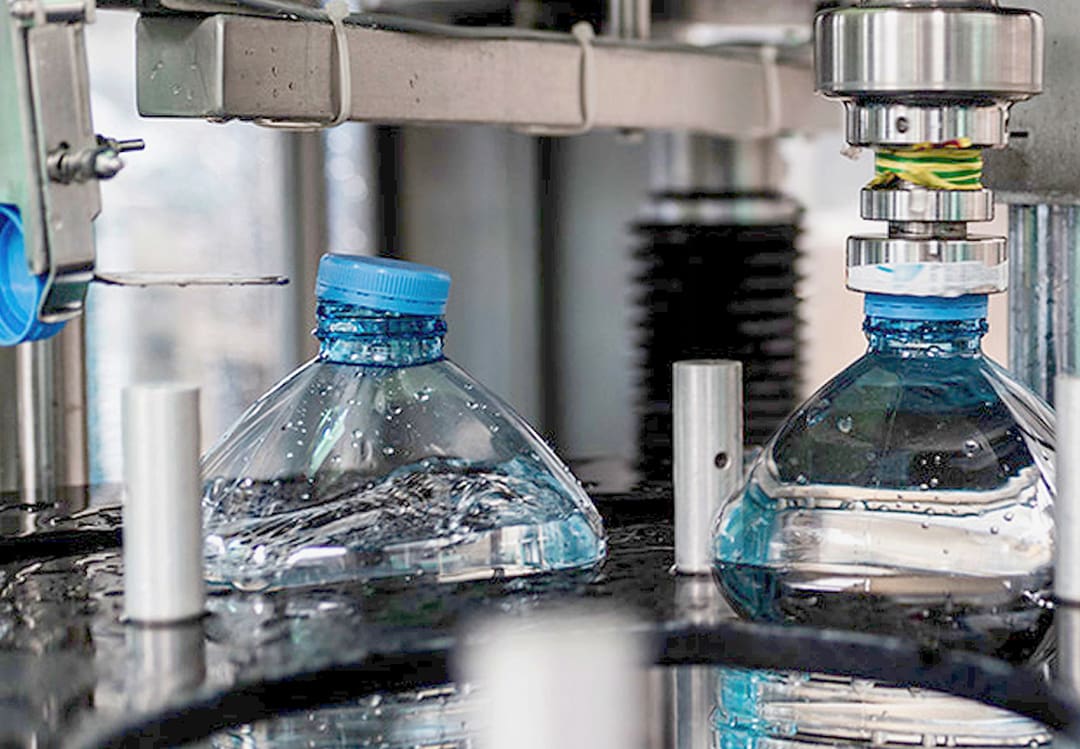
Not all closures are compatible with all fill processes — and matching closure design to the filling method is one of the most important compatibility decisions in packaging development. A filling process is the automated step on a production line where containers are precisely filled and sealed to maintain product quality and safety.
Common fill processes include:
- Cold Fill
- Hot Fill
- Hot Fill with Pasteurization
- Retort
- Ambient Fill
- Ambient / Cold Fill with Carbonation
- Ambient / Cold Fill with Nitrogen Pressure
- Aseptic Fill
- Extended Shelf Life (ESL)
- High Pressure Processing (HPP)
Each process places different demands on the closure — temperature resistance, pressure retention, and hermetic sealing. Confirming the fill process’s compatibility is a critical step in selecting a closure, not a secondary consideration.
6. What is a tamper-evident closure, and how does it work?
Consumer confidence starts the moment a product is seen, whether on-shelf or through advertising. Tamper-evident (TE) closures are a critical part of delivering that confidence — and in many categories, they’re a regulatory requirement.
Tamper-evident closures are designed to provide both visual and auditory cues that signal whether a package has been opened prior to purchase. Common TE closure types include:
- Tamper-evident snap ring: the small plastic band at the base of the cap that separates with an audible click — familiar on carbonated beverage and water bottles
- Foil seal: a disc adhered to the inside or underside of the cap, broken on first opening.
- Welded membrane with pull ring: common on milk, juice, and dairy products
- Combination systems: layering multiple TE features for added protection, common in pharmaceutical and nutraceutical applications
Regulatory requirements for tamper-evident packaging vary by product category and jurisdiction. In the U.S., the FDA and CPSC both have relevant guidelines for different product types. Selecting the right TE system requires matching the closure format to both your fill process and your product compliance obligations.
7. What are child-resistant closures, and when are they required?
Child-resistant (CR) closures — sometimes referred to as “special packaging” — are engineered to reduce the risk of accidental ingestion by making certain products significantly more difficult for young children to open, while remaining manageable for adults.
In the United States, child-resistant packaging requirements are regulated by the U.S. Consumer Product Safety Commission (CPSC) under the Poison Prevention Packaging Act (PPPA). CR closures are mandatory for a range of products, including prescription and OTC pharmaceuticals, pesticides, and certain household chemicals.
CR closures must meet specific performance standards: difficult enough for children under five to open, but not too difficult for adults to use. Testing protocols are defined by the CPSC, and closure manufacturers must be able to provide documentation of compliance for regulated categories.
For OTC and nutraceutical packaging, CSI’s Defender-Lok™ is a next-generation child-resistant closure engineered to balance safety, performance, and sustainability. If your product falls under CPSC guidelines, partnering with an experienced closure manufacturer with documented CR testing history is essential.
8. Are closures available with recycled or sustainable materials?
Extended Producer Responsibility (EPR) legislation is reshaping packaging decisions across North America. EPR frameworks — already enacted in several U.S. states, including California, Colorado, Oregon, and Maine, and well-established across the EU — place increasing responsibility on brand owners and manufacturers to account for the end-of-life impact of their packaging. For closures specifically, recyclability, recycled content, and material circularity are moving from voluntary commitments to compliance requirements.
Beyond legislation, consumer expectations and retailer sustainability mandates are accelerating the shift. The practical questions brand owners face: Does this closure support a recyclable package? Can it incorporate post-consumer recycled (PCR) content without compromising performance or food contact compliance?
CSI addresses both. PolyCycle offers closures manufactured with post-consumer recycled resin in both polyethylene and polypropylene, using a “closure-to-closure” model in which recycled bottle caps become new, food-safe caps. Most stock closures are available with up to 100% PCR content.
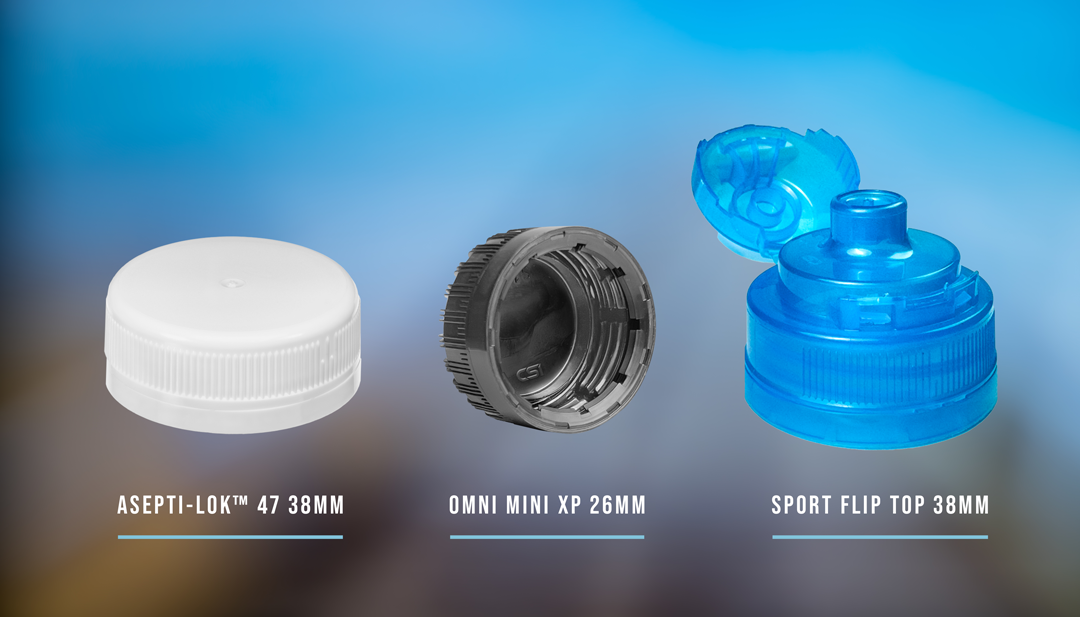
Lightweighting is a parallel path to reduced material impact. CSI’s Omni mini XP 26mm closure reduces closure and bottle finish weight by more than 25% versus legacy designs — a meaningful contribution toward packaging footprint goals.
9. One-Piece vs. Two-Piece Closures: What’s the Difference?
One-piece closures are a single molded cap with no separate liner. They are lightweight, cost-effective, and a sustainable choice due to reduced material use. They perform well in applications where a secondary liner isn’t required for product integrity.
Two-piece closures pair a plastic cap shell with a separate liner, typically made from ethylene-vinyl acetate (EVA). The liner provides an additional layer of sealing, making two-piece designs a strong choice for products that require higher leak protection, barrier performance, or extended shelf life.
The right choice depends on your fill process, product chemistry, and performance specifications. CSI’s team can walk you through the trade-offs based on your specific application.
10. What is the difference between stock and custom closures?
Stock and custom closures both have a place in a well-designed packaging program. The key is knowing what makes sense for your situation.
Stock closures are pre-engineered, commercially proven designs available for fast, cost-effective sourcing. Because they’ve been validated across countless applications and production environments, they carry a level of performance confidence that’s difficult to replicate with a new design. CSI offers more than 90 stock closure options across 11 market segments and 17 diameters. Even within the stock portfolio, meaningful customization is available — including PCR material options, tamper-evident features, color matching, and top cap printing.
Custom closures are developed from the ground up to meet unique specifications — whether that’s a non-standard bottle finish, a specialized fill process, or a specific sustainability target. Given the investment required, custom caps make the most sense for brands looking to create a unique consumer experience through the closure’s look or feel. CSI’s Product Development Process is designed to take customers from concept to commercial-ready closure with the technical rigor the category demands.
For most applications, the stock portfolio is the right starting point. With more than 90 options across 11 market segments, CSI covers a wide range of performance, sustainability, and brand requirements, all drop-in, production-ready.
Ready to Find the Right Closure for Your Product?
Whether you’re starting from scratch or optimizing an existing line, use the CAPFINDER tool at csiclosures.com to search and compare closures by market, diameter, fill process, and bottle finish. Or contact CSI’s team directly to discuss a custom closure solution.



Recent Comments